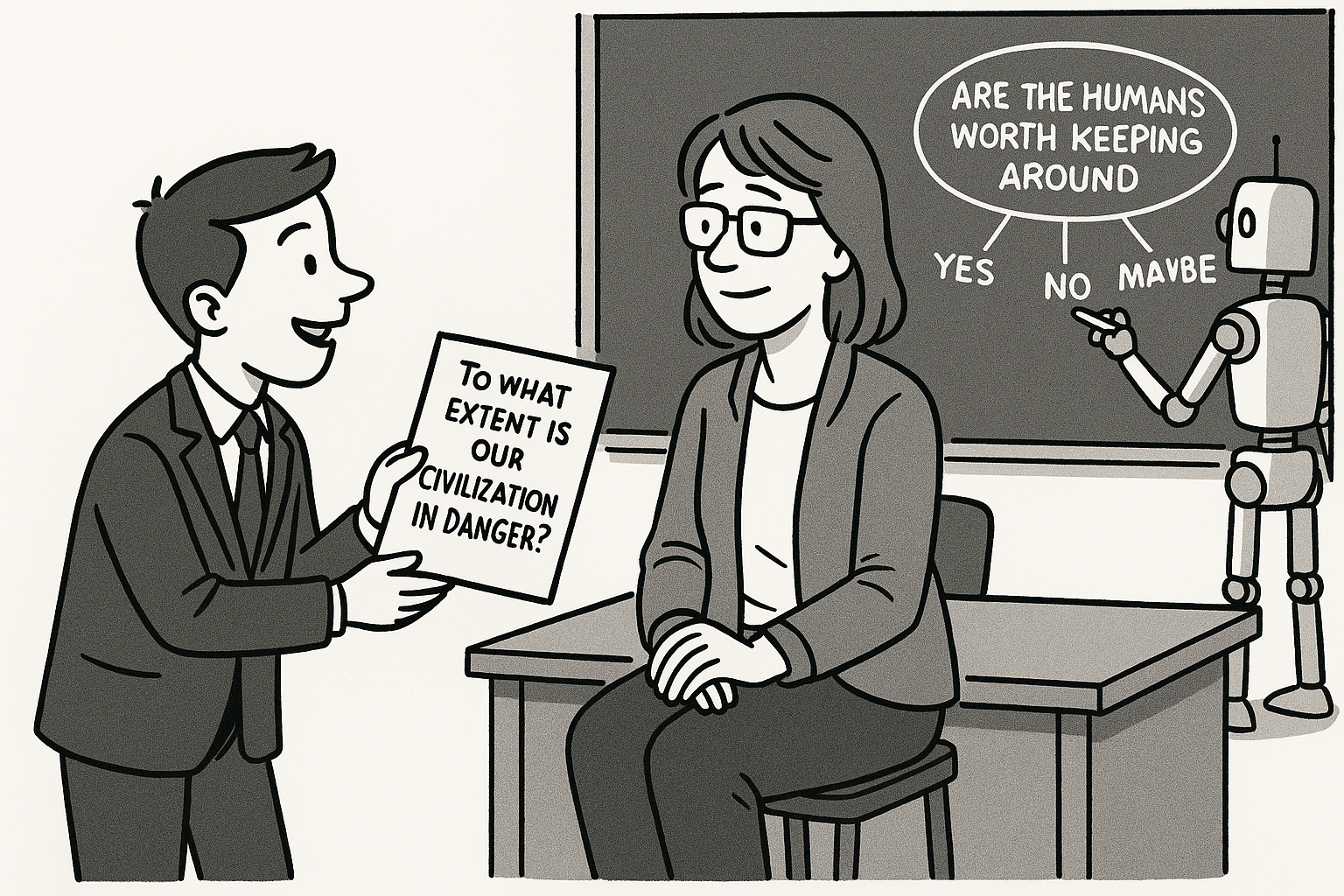
Is our strategy keeping pace with the world or becoming a quiet liability?

Is our strategy keeping pace with the world or becoming a quiet liability?

Blockbuster, Kodak, HMV. The names have become shorthand for corporate blindness. Giants that failed to see the seismic shift coming. Except that isn't quite what happened.

Kodak had a working digital camera in 1975. Blockbuster watched Netflix grow for years, even briefly outpacing it in subscriber growth, before a leadership dispute knocked the strategy off course. HMV saw digital downloads coming long before administration. None of these were failures of foresight. They were failures of pace. Years, in Kodak's case decades, of a widening gap between what the world was doing and what the strategy assumed, quietly tolerated until there was no runway left to close it. The ending was fast. The failure wasn't.

That distinction matters, because it changes what Boards should actually be watching for. The risk most businesses face today isn't the sudden shock. It's the slower, harder-to-spot possibility that the strategy has quietly stopped matching the world it was written for, and that everyone in the room is too busy admiring the plan to notice.

Call it what it is: a quiet liability. Not a crisis, but a rot that builds in the gap between how fast markets, technology, geopolitics and customer expectations are moving, and how fast the strategy is being re-tested against them.

The conventional response is the Annual Strategy Offsite: trends reviewed, plan refreshed, Board reassured, everyone home. It's not a bad discipline. It's simply built for a world that no longer exists, one where change arrived in a single dominant vector at a time, and a year was a reasonable unit of review. Today's uncertainty is structural and simultaneous. A strategy reviewed once a year is being asked to survive twelve months of a world that no longer holds steady that long.

Read the full article →

Also in this issue

How do you stress-test your business model against a ten-year horizon?

How do you stress-test your business model against a ten-year horizon?

Risk usually arrives last: a heatmap bolted onto a plan that's already been signed off. Scenario analysis, pre-mortems and the Rumsfeld Matrix build risk in from the start instead, giving Boards the foresight to run towards uncertainty rather than away from it.

Read →
Big Cycles: How leaders can rehearse the future when the fundamentals are shifting

Big Cycles: How leaders can rehearse the future when the fundamentals are shifting

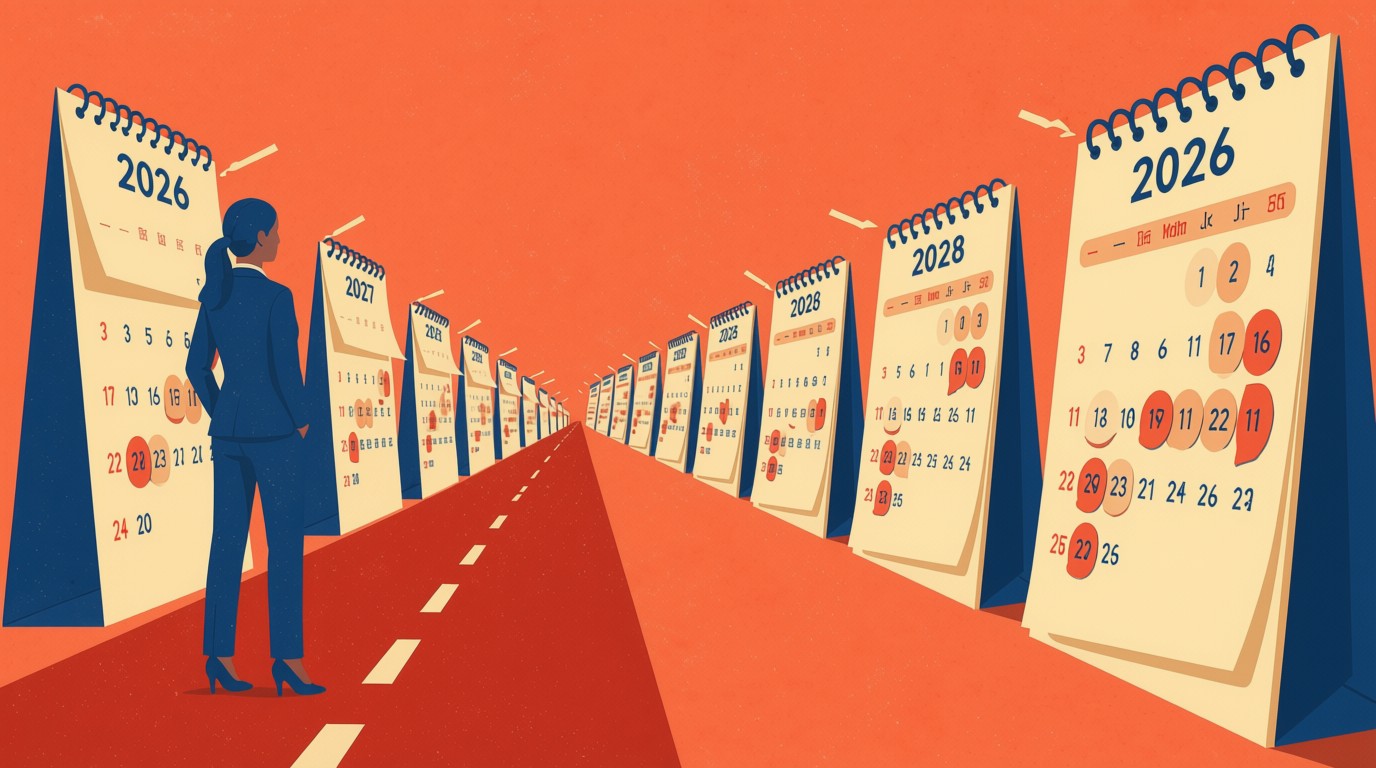
The aim isn't to predict the future. It's to practise thinking in it. By combining three forces shaping the next decade (society, AI progression, and external shocks) leaders can explore 27 possible futures, loosen assumptions, stress-test strategy, and build the reflexes a fast-changing world now requires.

Read →

Tool of the month

Strategic Resilience Score

Uncertainties dominate decision-making. Pressures undermine execution confidence. Progress feels hard won. Perigon's free Strategy Score diagnostic tests whether your business has the resilience to navigate what's coming next. Fifteen questions, five minutes, instant results. Find out where your strategy actually stands.

Try it →
Strategic Resilience Score

Further reading


Board Questions

A good strategy conversation doesn't start with a slide deck but with the questions the boardroom is willing to ask. Here's one way to start a pre-mortem discussion and surface the less obvious threats to your business model while there's time to act.

  1. It's 2035 and, after 6 months of trying to salvage your business, the Board has recommended an asset sale to try to recover any residual value. What was the cause of death?

  2. ...What warning signs were ignored?

  3. ...What different choices could have been made, when, to make it prosper?


Field Notes

  • The Pre-Mortem, learned the hard way

    Some years ago, working in the strategy team for a global bank in the aftermath of the financial crisis, I attended an offsite for the top hundred leaders, convened to align on strategy, set priorities and rebuild some sense of shared direction after a bruising period. The Chief Risk Officer ran a session built around a technique I hadn't come across before: a pre-mortem. He split the room into groups and asked each to imagine that the bank had failed within five years, then work backwards to identify what had killed it.

    Given where the business had just come from, the exercise was laden with a heavy irony that wasn't lost on the room. But it was also one of the most valuable ninety minutes I've sat through in a strategy career - it gave people who had endured and just about survived a long period of intense retrospection and examination the chance to practise foresight instead. And I have no doubt that it improved the resilience of that business.

    It's a technique I've returned to many times since. And it's hard not to reflect, even now, that a bank which had run that exercise a few years earlier might have had a rather different crisis to manage.

Get Issue 3 the day it lands

Subscribe free →